- di 23 februari 2027, 20:00 – 23:00
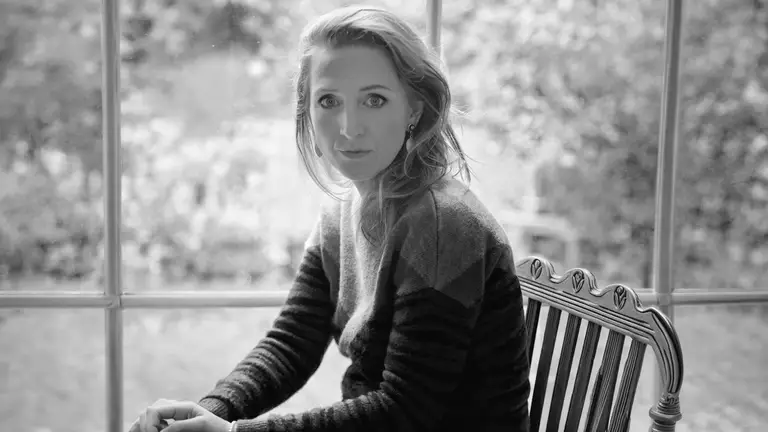
Women in dark times
I am usually described as a Polish-Belgian philosopher and writer; sometimes also as a Polish-Flemish or as a Belgian with Polish roots.
I was born in Warsaw during a difficult period for Poland. My parents decided to leave the country and all its difficulties when I was seven. We stayed in an asylum center in Brussels for a few months; it was a short stay, but the memories of it have settled deeply and permanently in my mind. Afterwards, we settled in the East Flemish village of Lede. There I went to school and learned the Dutch language. Nevertheless, we continued to speak Polish at home.
Even at a young age, I had to find answers to questions about my identity: who am I, what am I doing here, where do I come from, where do I want to go?
Perhaps my love for philosophy began right there, in childhood, when I wanted to answer an endless chain of seemingly simple questions, but each answer of which brought new questions with it.
Many of those questions echo in my philosophical work; they became the beginning of the quest that led me to the paths I still walk today and on which I sometimes still get lost.
The question of who I am can be answered in many ways.
Academic bio 2012 / Doctor of Philosophy from Ghent University 2013 – 2014 / Postdoctoral researcher at Princeton University 2014 – 2016 / Karl Loewenstein Fellow and lecturer in political philosophy at Amherst College 2019 / Co-Director (alongside Roger Scruton) of the Philosophy Programme at The University of Buckingham 2020 to present / Director of the Philosophy Programme at The University of Buckingham
Women in Dark Times If evil resides intrinsically in man, then so does good. And that is precisely what this book is about. It is an indictment of evil and an ode to the good of which man is capable.
Alicja Gescinska takes the reader on a turbulent and philosophical journey through the last century. In ten biographical portraits, she shows what humanity can learn from women who are as courageous as they are intelligent: Rosa Luxemburg, Anna Akhmatova, Edith Stein, Hannah Arendt, Martha Gellhorn, Simone Weil, Jeanne Hersch, Etty Hillesum, Barbara Skarga, and Judith Shklar.
In word and deed, they fought the oppression, the dehumanization, and the destructive urge of their time. They were beacons of light in the darkest hours of humanity. For this, they often paid a high price: from death in camps to a life in exile.
Alicja Gescinska wins the 2026 Socrates Prize with ‘Women in Dark Times’. Women in Dark Times by Alicja Gescinska has been named the most thought-provoking, urgent, and original philosophy book of 2025.
Tags
Also interesting
Back to Business & Bubbles 2025
DomusDELA
Recharge Earth evenement 2025
Ahoy Rotterdam

Car Wash Show Europe
EXPO Greater Amsterdam

Jaarevenement Vrouwen met Impact
Safari Meeting Centre - Burgers’ Zoo

De Assistant Van Morgen (EN)
Jaarbeurs Utrecht

evenement Excellent Onderwijskundig Leider...
Schouwburg De Lawei
Hét Nationaal Intranetsymposium 2025
Postillion Hotel Utrecht Bunnik
Mobile Healthcare Festival 2025
Fokker Terminal

ESG & Vastgoed BE 2025
Crowne Plaza Antwerpen

Masterclass Tricky Tijden – Omgaan m...
AFAS Theater
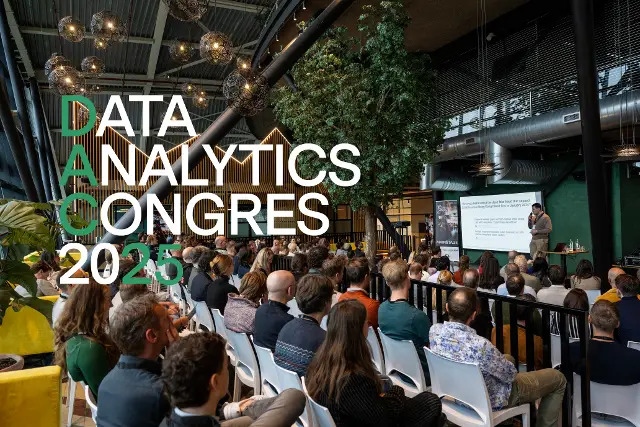
Data & Analytics Conference 2025
Pakhuis de Zwijger
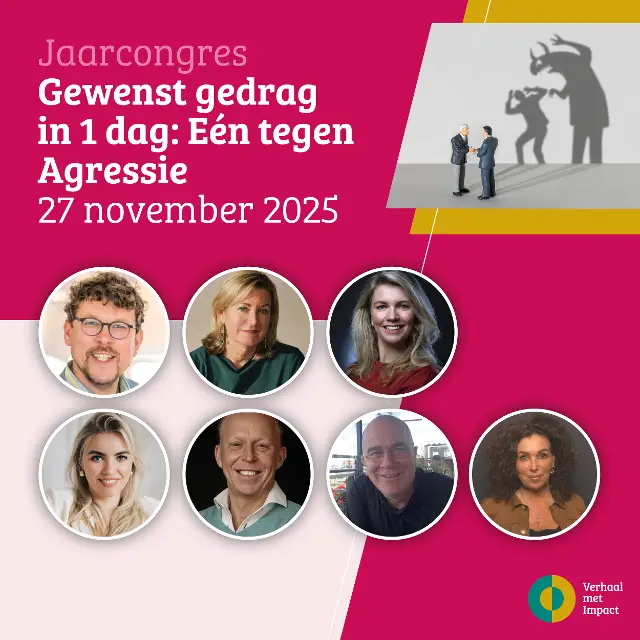
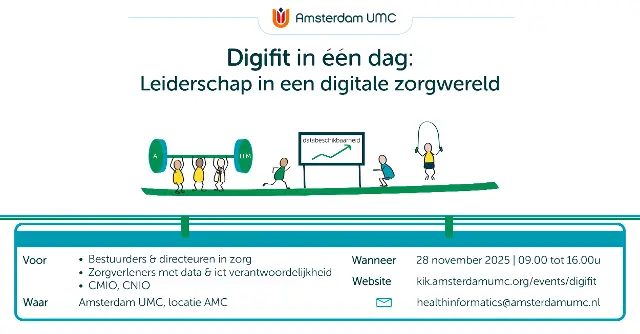
Digifit in één dag: Leiderschap in een d...
Amsterdam UMC, locatie AMC
Meesterlijk aanspreken
Van der Valk Hotel Utrecht

Nationale Netwerklunch 2025: Leisure &...
The Maxx Veenendaal
Masterclass Veranderkracht in 1 dag
Carlton President Hotel